What Is A Periodontist And Signs You Should See One?

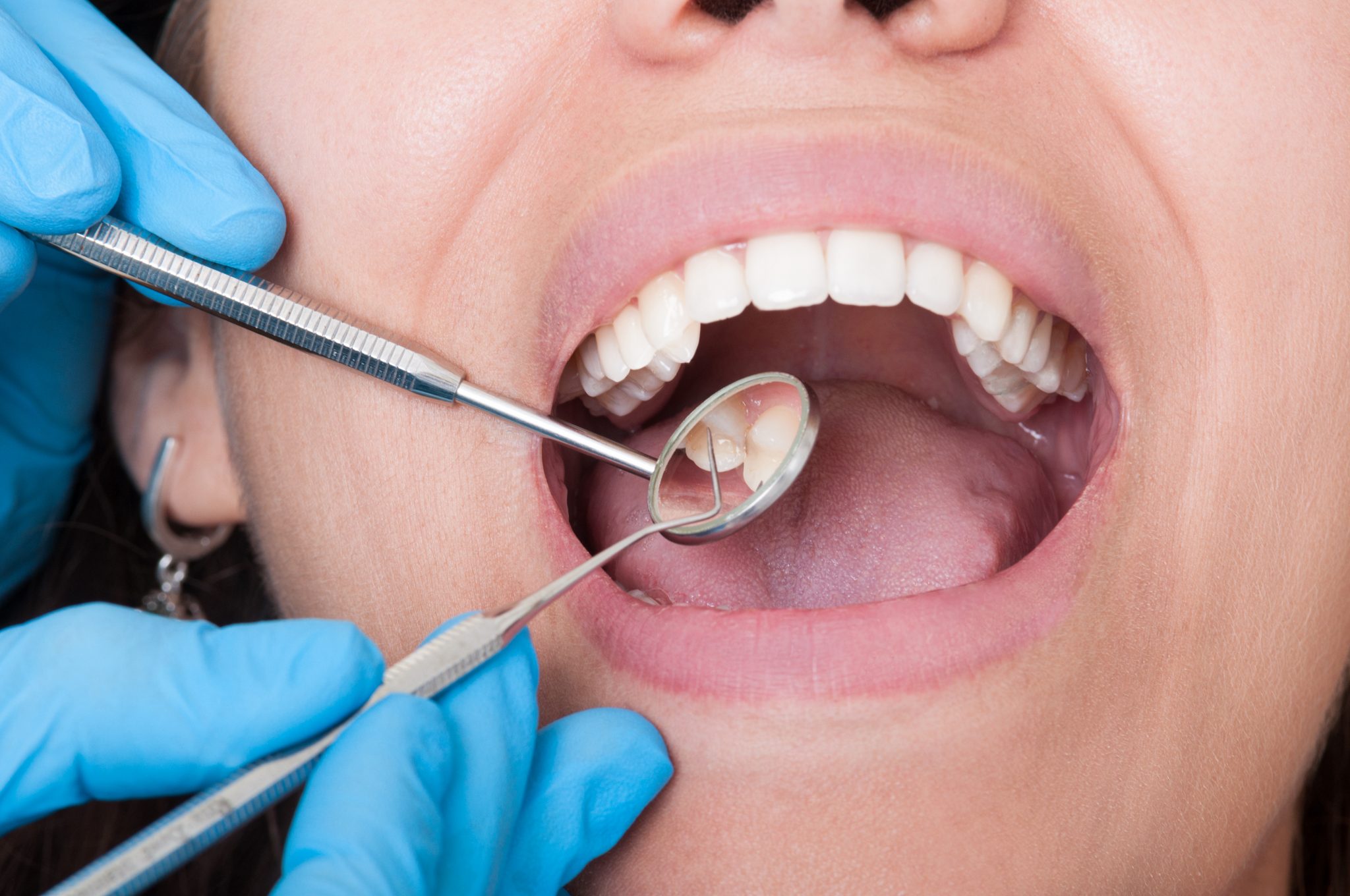
Dentist tools and mouth open with beautiful teeth

one of the many branches of dentistry is periodontics. Here are some signs that clearly indicate that you need to visit a periodontist immediately. Dentistry is a wide field that encompasses several different branches such as orthodontics, endodontics, prosthodontics, pediatrics, oral and maxillofacial, oral pathology, and periodontics. Four years of dental school qualifies an individual to practice general dentistry. For specialization, a general dentist has to undergo additional years of education and training.

Like all other dental specializations, a periodontist must undergo special training and education in the field. These individuals have the expertise and experience in treating gum-related problems and diseases. They not only have the expertise to diagnose periodontal diseases, but they have the knowledge and experience to treat these diseases

Periodontists provide treatment to patients that are in need of high-quality care due to severe gum diseases or complicated medical history. A general dentist may advise a patient to visit a periodontist when they need treatments such as scaling, root planing, or root surface debridement. Here are some signs that indicate that you need to see a periodontist right away! If you experience any of the following signs, you need to visit a periodontist immediately!

Swollen and Bleeding Gums

The most obvious signs that your gums are in bad shape is that they begin to swell, bleed, and appear red. When your gums bleed when you brush your teeth or floss, it is an indication that your gums need treatment. By visiting a periodontist, you can address a severe gum problem way before it gets serious.

Swollen and Bleeding Gums

Pain and Discomfort while Chewing

Pain and discomfort in your teeth are traceable. You can point to the exact the tooth that is causing the pain. However, if you experience pain while chewing within, around, or underneath your gums, you need to visit a periodontist.

Chronic Bad Breath

Changes in Bites

Experience any changes in your bites? If your teeth begin to feel different while chewing, brushing, or talking, it is a sign that you are falling victim to a periodontal problem. Leaving this unaddressed for long can turn the minor issues into serious and long-term periodontal problems.

Chronic Bad Breath

Persistent bad breath even after extensive oral care indicates that

there is a problem in your gums. It is one of the first signs of gum disease. If you are experiencing a similar situation, make sure you schedule an appointment with a periodontist.

Teeth Begin to Feel Loose

Loose teeth might not be such a big issue for a baby and a young kid, but for an adult, it is a serious concern. If any of your teeth begin to feel loose, visit a periodontist without giving the idea any second thoughts. The sooner you realize you need a periodontist, the better it is for your gums. They can help in a timely diagnosis of gum diseases and addressing the problems before they become serious!

Orthodontic Treatment During Pregnancy

Pregnancy involves a series of changes for women that can affect the oral cavity, increasing the chances of suffering from cavities and periodontal diseases. That is why dentists recommend a complete review of the mouth at the time when pregnancy is known, in order to assess possible treatments. Likewise, if the woman is undergoing orthodontic treatment at the time she becomes pregnant, it is important that she notify the specialist as soon as possible, in order to maximize oral care.

I am undergoing orthodontic treatment and I have become pregnant, what do I do?

Every day it is more common for young adult women to have an orthodontic treatment to improve their smile and the health of their mouth. In some cases, the treatment already started may coincide with the moment in which the woman becomes pregnant, and it is likely that then doubts arise about how to proceed in this regard.

Orthodontic Treatment During Pregnancy

During pregnancy hormonal changes cause greater gingivitis (inflammation of the gums) that can be aggravated by irritating factors. The element that usually creates the most gingivitis is dental plaque and orthodontic appliances increase the chances of retaining plaque if proper oral cleaning is not performed. If you are using braces, your orthodontist will inform you about the best way to proceed to daily tooth brushing.

I am pregnant and I want to have an orthodontic treatment: better wait.

But it may happen that the woman is thinking about getting an orthodontic treatment and before starting it she becomes pregnant. In that case, SEDO recommends waiting to give birth to begin with such treatment, since some of the tests that need to be performed to carry it out are not advisable during pregnancy.

First Trimester

During the first trimester of pregnancy, experts advise not to have any dental treatment unless it is very necessary and cannot wait to be performed during the second trimester, which is the most favorable for this. These urgent cases would be, for example, extractions that cannot be expected, large oral infections or caries likely to cause periapical infection.

Second Trimester

The second trimester, on the other hand, is the most suitable to undergo any dental treatment although you always have to inform the dentist of the pregnancy so that you take the appropriate precautions.

Third Trimester

The third quarter, like the first, is again the least recommended for any dental treatment. To the risks of the use of anesthesia, the volume of the gut is added, which can make it difficult or uncomfortable for the mother to remain in the same position for a long time, and even the stress that many people are supposed to go to the dentist. Therefore, in this quarter only urgent treatments that cannot wait to be practiced after giving birth will be done, and in no case will nitrous oxide (popularly known as “laughing gas”) be used as a sedative.

Why Is It Necessary To Take Care Of Baby Teeth

They are not permanent teeth, but we must take care of them as such. Baby teeth are an important part of a child’s physical development and, therefore, parents should be aware of the need to keep them in good condition until the appearance of definitive dentures. Your child pediatric dentist will advise you and your children how to care for the baby teeth.

THE FUNCTION OF MILK TEETH

If we know the function of baby teeth, we will understand why they are so important for a child and, therefore, the need for proper maintenance.  Baby teeth are an indispensable element of speech development. They help the little ones discover how to vocalize and articulate the sounds properly, which guarantees their correct language learning.

They are also essential for children to chew food properly. In addition to creating an indispensable habit for their long-term health, it also ensures that you get the maximum nutrition from their everyday meals. They are the best prevention for possible future oral problems. Children’s teeth, if they have cavities, implies a greater possibility of having this pathology when they grow up, as well as the loss of teeth that can cause space problems in the eruption of the final teeth. They help in the creation of healthy habits, which will be essential for the establishment of a daily routine of proper hygiene for life.

HOW TO TAKE CARE OF MY BABY TEETH?

The care of baby teeth begins even before the eruption of the first tooth. If you pass a gauze moistened by their gums after each intake you will be favoring the proper development of baby teeth when the time comes. From the moment the child has his first teeth, it is time to consult with the pediatric dentist to guide you about the steps to follow when brushing the teeth with toothpaste. At first you will have to teach them how to brush and then supervise them as they grow older.

The care of the diet is another indispensable point to keep in check. An excess of sugar affects the teeth and the gums and should be minimized from a very young age. Opting for fruits and vegetables will help your children’s physical, mental as well as their dental health. Finally, it is essential that you establish a review schedule with the pediatric dentist. As a specialist, the dentist will help you maintain their teeth properly, as well as review their dental development to ensure that they are following the proper guidelines.

How Endodontics Is Performed

How Endodontics Is Performed

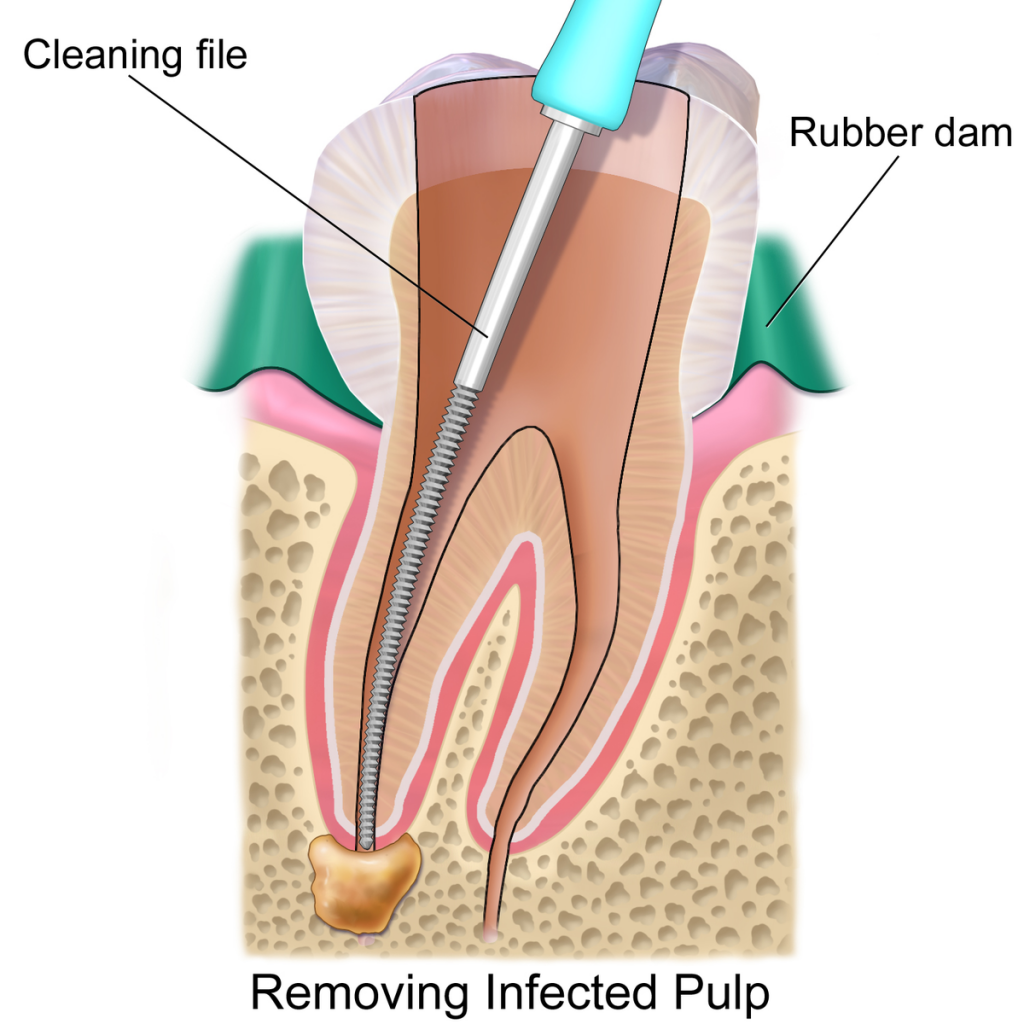
Damaged teeth due to caries that have not been treated can cause many problems. If the damage reaches the pulp of the tooth or even the nerve root, it can cause a lot of pain and even an infection that would cause them to lose the tooth if it is not treated as soon as possible. The best treatment a dentist can perform to prevent them from losing the tooth is endodontics. Endodontics is a treatment that consists of the partial or total extraction of the pulposus nucleus of the tooth, which is the internal part where the pulp ducts are located. It’s a tissue in the form of a strand that is made up of a dozen blood vessels and nerves. Until a few decades ago, endodontics was a rare treatment, so you only chose to remove teeth that had damaged pulp. Today, thanks to advances in both technology and dental treatment techniques, in addition to the development of new materials that act as a substitute for pulp, endodontics has helped save those damaged teeth.

How Endodontics Is Performed_1

The application of this treatment is necessary when the pulp is affected, which in addition to acute pain, causes inflammation. The first symptom that the pulp is inflamed is always the pain in the tooth or in the area of the gum where the damaged tooth is located. The pain can be stabbing of great intensity or of less intensity, but constant. Similarly, prolonged sensitivity to heat or cold, or changes between them, discoloration of the tooth, inflammation and sensitivity in the adjacent gums may occur. If any or several of these symptoms are detected, or there is a visible exposure of the pulp in the tooth, they should see a specialist immediately. If pulp damage is not detected in a timely manner, a deposit of pus may form at the root of the tooth, which causes an abscess due to infection. An aggravated infection of the gum can spread to the jaw and destroy the surrounding bone of the tooth. This, in addition to the loss of the dental piece, have major consequences such as facial cellulitis or osteomyelitis. Also, if the infection was transmitted by blood it can cause sepsis.

How is endodontics performed?

Once the dentist has checked your teeth and detected a fissure that exposes the pulp of the tooth, the treatment that can take a couple of appointments will begin so that they can recover the total use of the dental piece and stop the damage from infection and inflammation. However, in some cases the treatment can be extended by more appointments, depending on the degree of damage. The first thing that is done is a dental x-ray that covers the damaged part and the surrounding parts, to observe how far the infection reaches and how much is the damage to the nerve. In case the radiography fails, it is submitted to the tooth to tests of temperature, percussion and sensitivity, to determine if there is damage to the nerves or if another treatment can be chosen.

How Endodontics Is Performed_2

In case the endodontics is the only option, the outpatient procedure will be initiated where local anesthesia is applied, regardless of whether there is vital damage to the nerve or not. Once the anesthesia takes effect, the tooth is isolated by placing a staple and rubber on the tooth in order to keep it free of saliva, to subsequently remove all the nervous tissue that is damaged by caries or infection. It can be partially or totally removed. The tooth remains are cleaned and filed to completely disinfect the ducts and prevent the infection from reoccurring. Finally, the filling is carried out, which is the process of filling the ducts with an inert material and that is not rejected by the body. The material can be solid or plastics, which are the most common, such as antiseptic pastes, zinc cements or plastic resin base.

Is a Dental Crown Permanent?

Teeth that have broken,
fractured or cracked may need to be crowned. Dental crowns are one of the most
common restorations that help to not only enhance your smile but restore
overall functioning to a particular area of the mouth. The crown can replace a
tooth that is jagged, rough and broken so that you can eat, chew and bite into
foods more comfortably. Crowns can even be helpful in protecting the tooth
underneath, since they act as a protective cap over existing dentition.

What is a Dental Crown?

A dental crown is made to
mimic the look and even feel of a real tooth. The crown is placed over a tooth
that has cracked or broken so that the tooth looks better and functions more
normally. Crowns can be made of many different materials, like porcelain and
ceramic, to create a high-quality and strong restorative option for your dental
needs. If you have recently had a root canal, you may have been told that the
tooth needs a crown because it is susceptible to breaking and fracturing.

Are Dental Crowns Permanent?

While dental crowns are
long-lasting and durable, they are not permanent in the sense that they will
last a lifetime. However, crowns can last for many decades, so they are a
long-term solution to problem areas within the mouth. Proper care and routine
checkups can extend the life of your crown and keep it looking its best. When
replacement is needed, the procedure is as simple as removing the old
restoration and making a new one. It’s not uncommon for patients to have crowns
that are 30 or more years old before they need to be replaced.

What to Expect with Your Dental Crown

Crowns are made from durable
and realistic-looking materials. They mimic the feel and look of real teeth and
can help you feel better about your smile. They are one of the most common
restorations in the dental field and most people will need at least one crown
at some point in their life. To extend the life of your crown, it’s important
that you keep up with routine checkups and brush and floss your teeth daily at
home. Your crown will help to improve your smile for years with appropriate
care and can be a wonderful alternative to other options that may be available
to you in the dental office.

How Long Do Dental Crowns Last?

Dental crowns help to restore compromised teeth that have broken, cracked or fractured. Oftentimes, a crown is recommended after having a root canal, since the tooth is susceptible to breaking and chipping. Crowns are made to look like your natural teeth and are crafted from materials that are able to withstand quite a lot of pressure and force. Your crown isn’t just an aesthetic option for your smile, but it can even help in restoring overall functioning when eating, chewing and biting into foods.

What are Dental Crowns?

A dental crown is a small restoration that fits over an existing tooth. Oftentimes, crowns are recommended if a tooth has cracked, broken or has severely fractured. Crowns can be made of porcelain, ceramic and even have a metal base to make them more secure. These crowns are known as PFM or porcelain-fused-to-metal. Regardless of the material being used to make the crown, the restoration is natural and realistic-looking so that it helps to enhance your smile and correct dentition problems.

How Long Will Dental Crowns Last?

Dental crowns can last for anywhere from 10 to 20 years with proper care. However, it’s not uncommon for patients to have dental crowns that are older than 20 years because of taking good care of the restoration. Certain things will affect how long your crown will last. For example, if you smoke, have gum disease and do not brush and floss daily, you may find that your restoration lasts for only a few years before it will need to be replaced. Most dental crowns are long-lasting and highly durable restorations that can improve dentition and overall functioning of the tooth.

How to Extend the Life of Your Dental Crown

The best way for you to extend the life of your crown is to keep up with regular dental appointments. The appointments help to check for signs of decay underneath the crown, which could cause the restoration to become loose. Brushing and flossing daily is important in extending the life of your crown and keeping it looking its best. Crowns that have cracked or broken should be replaced or repaired as soon as possible to prevent the problem from getting worse. You can expect many years of good use with your new dental crown and can enjoy a smile that is full, bright and beautiful thanks to the help of dental restorations.

Are Dental Implants as Good as Real Teeth?

Dental implants can replace a single tooth as well as an entire arch of teeth with the help of a denture prosthesis. Implants have quickly become the go-to alternative for many other procedures and it is why so many patients have benefited from them. Dental implants are easy to place and take just a few months to fully heal and bond with surrounding bone. They can last for up to 30 years before needing replacement or repair.

Understanding How Implants Work

Implants rely on a bodily process known as osseointegration. This simply means that the surrounding bone will naturally fuse with the implant’s post over the course of three to six months. Osseointegration keeps the implant in place, giving it a secure and firm hold in the mouth and providing a stable abutment for crowns, bridge work and even dentures. The surgery itself is easy and straightforward, with most patients being good candidates for the procedure. If there isn’t enough bone in the area that will be receiving the implant, you may need a bone graft.

Are They As Good As Real Teeth?

Dental implants are securely placed deep into the bone of the jaw and given several months to bond fully with the bone. This allows the implant to act like the natural roots of your teeth, securely fitted deep into the jaw and providing an abutment for any type of restoration to be placed on top. The restoration, whether it’s a crown, bridge or denture, will all be made to fit your mouth perfectly. They look and feel like real teeth so that oral functioning is restored and you can enjoy a full, beautiful smile. Because implants don’t compromise surrounding teeth like a fixed bridge would, they can blend seamlessly into the rest of your smile and look completely natural. They are just as good as real teeth but without all of the problems that may come with natural teeth, like cavities and the need for fillings and root canals.

How to Maintain Your Implants

After you’ve had implants placed, you will need to come in regularly to ensure they’re healing properly and bonding with the surrounding bone. Once the actual procedure has been completed successfully, you should still make time to come in for your regular bi-annual appointments. These appointments enable us to check the implants for any signs of damage so that treatment can be provided immediately. Keeping your teeth and gums healthy while wearing implants helps to extend their lifespan.

How Long Do Dental Implants Last?

Dental implants have become the go-to option for patients missing one or all of their teeth. Implants can be used to replace a single missing tooth and several implants can be placed to keep a denture plate securely in place. Regardless of how the implant is used for your own dental needs, many patients wonder how long they last and what should be expected after the procedure is actually done. When compared to other dental restorations, implants are more long-lasting and can provide decades of high-quality use.

What are Dental Implants?

Dental implants are normally made of titanium, which allows them to withstand a lot of force and pressure. They rely on a process that is known as osseointegration to successfully bond with the bone over the course of a few months. Once the implant has been given enough time to heal, a crown, fixed bridge or denture can be made and placed on top. Implants are ideal for most patients, but some individuals may require a bone grafting prior to surgery to ensure successful bonding with underlying bone.

How Long Do Dental Implants Last?

While many dental professionals argue on how permanent dental implants are, they are one of the more permanent and long-term options for replacing missing teeth. On average, dental implants can last for 20 to 30 years before it’s recommended they be repaired or replaced. However, it’s not uncommon for patients to have implants for a much longer period of time without needing any additional work. What is not permanent on the dental implant is what is added to it within the mouth. For example, the crown, bridge or denture that has been made for the implant will need to be changed at the recommended time allotment.

Extending the Life of Your Dental Implant

One of the best ways to keep your implant in place is to keep up with routine dental appointments. Your bi-annual checkups are essential in checking for problems with the implant that can be fixed early on before they’re allowed to get worse. Keeping your teeth and gums healthy will prevent inflammation and infection in the area, which would otherwise compromise the implant. Brushing your teeth at least twice a day and flossing daily can have a profound impact on the health of your mouth and the restorations that you have and are trying to maintain.

How Do Dental Implants Work?

Dental implants are often made of titanium and are used to replace missing teeth. They can be utilized to replace just one missing tooth at a time as well as several in a row or an entire denture. Implants are considered permanent because they can last for 20 to 30 years without the need for repair or replacement. They are a more permanent option when compared to partial dentures and bridge work, since they do not require surrounding teeth to be compromised.

What are Dental Implants?

Titanium dental implants are surgically inserted deep into the bone of the jaw to replace one or more missing teeth. They can even be used to keep a denture securely in place, eliminating the need for adhesives, gels and creams. Implants are ideal for most patients, as they do not require surrounding teeth to be compromised to make room for a fixed bridge. If you are missing a tooth that has fallen out on its own or has been extracted, implants are a long-term and highly reliable option for you.

How do Dental Implants work?

Dental implants rely on a process known as osseointegration to work successfully. This refers to the post of the implant bonding with the surrounding bone over the course of several months. For some, osseointegration can take as little as three months while others may find it takes their implant six to eight months to fuse with surrounding bone structure. Once the implant has been given time to bond with the bone and heal fully, a crown, bridge or denture can be placed on top of the appliance. If there is not enough bone structure for the implant to bond to, a bone graft may be needed prior to implant surgery.

What can be expected with the Dental Implant procedure?

The procedure involves making a small incision through the gums to gain access to the underlying bone. The post of the implant is then placed deep into the bone and the gums sutured to give them time to heal. You will come in for regular appointments to have the implants checked periodically while they are healing. Once they’ve healed fully and been given time to bond with surrounding bone, you’ll have another restoration made for you that will snap or twist onto the implant securely to keep it in place. Implants are a more reliable option for patients missing one or all of their teeth.